
From information to innovation for mental health
MAPS Italia ETS, a non-profit Entity of the Third Sector under Italian law, was founded in 2024 to promote an informed dialogue on the therapeutic use of psychedelic substances.
From information to innovation, MAPS Italia aims to foster a new therapeutic approach to mental health.
Education
Create an authoritative, accessible, evidence-based space to provide clear and responsible information on the therapeutic potential of psychedelic substances.
Training
Support mental health professionals on a path of continuing, ethical and interdisciplinary professional development focused on the therapeutic potential of psychedelic substances, through qualified and accessible resources.
Network
Build an active, collaborative network of researchers, clinicians, healthcare workers, academics, public bodies, associations and citizens to encourage knowledge sharing, co-design and the launch of joint initiatives, fostering a critical dialogue between science, therapy, culture, policy and tradition.
Advocacy
Encourage reform of policies on psychedelic substances in the therapeutic field, in line with scientific evidence and European guidelines, acting as an independent and trustworthy party able to facilitate a cross-cutting dialogue among the scientific community, institutions, civil society and policymakers.
The MAPS international training in MDMA-assisted therapy has arrived in Italy
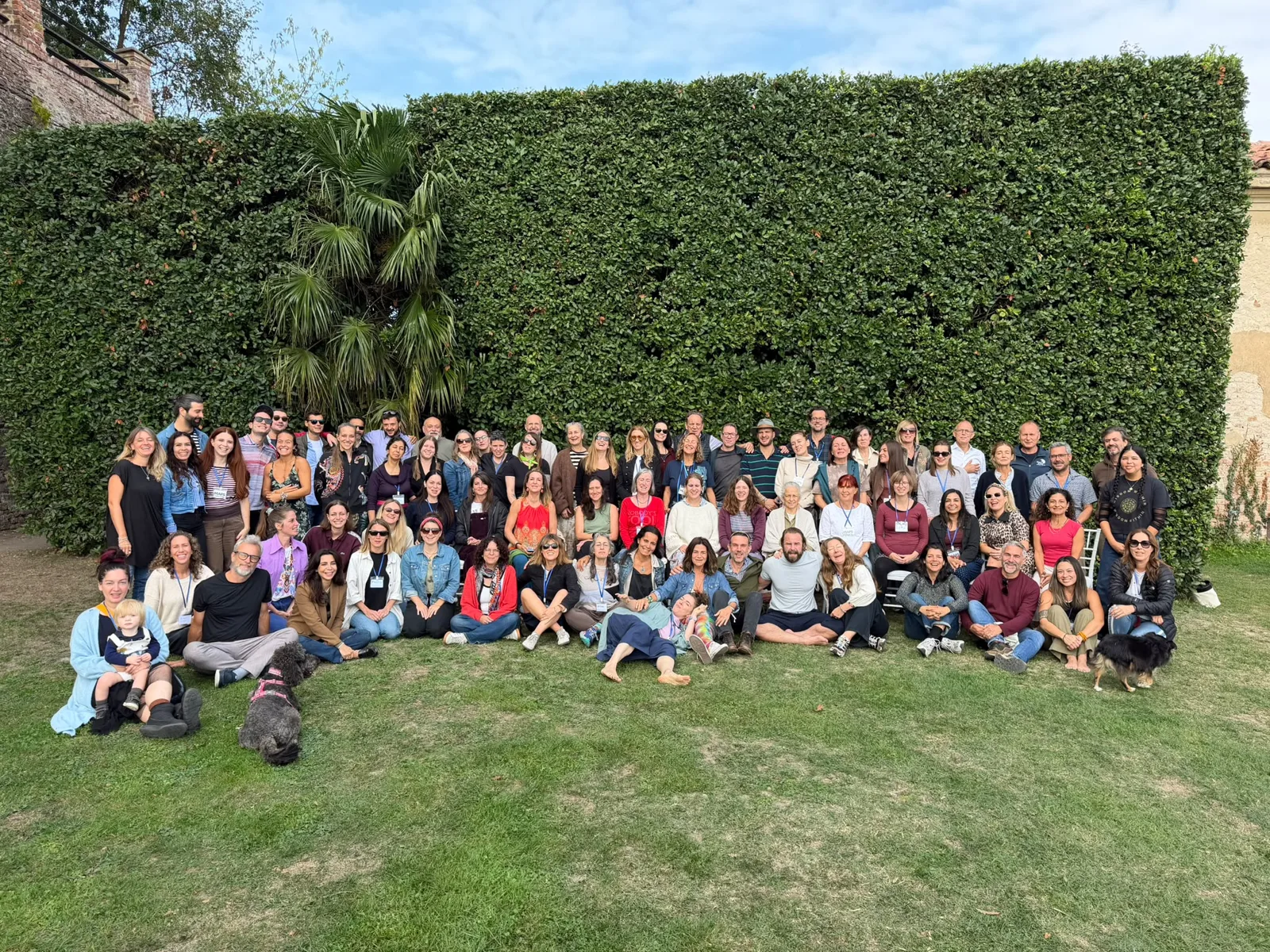
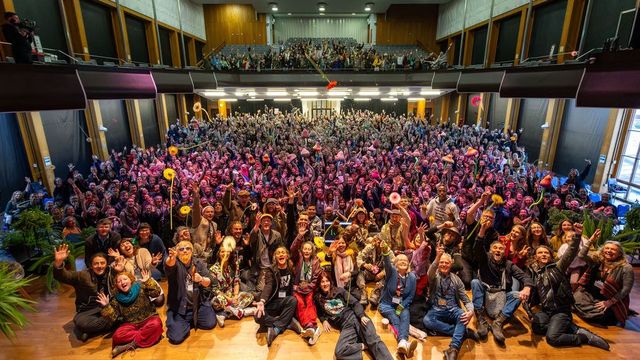
From September 20 to 26, 2026, MAPS Italia hosted the MAPS International MDMA-Assisted Therapy Training in San Sebastiano da Po, near Turin: 67 mental health professionals from Italy and abroad completed a 55-hour program (15 hours online and 40 in person) taught in English, developed by MAPS researchers on the basis of decades of clinical studies.
Events
 PastSCALE 2026 Prague: from evidence to access
 PastMAPS International MDMA-Assisted Therapy Training
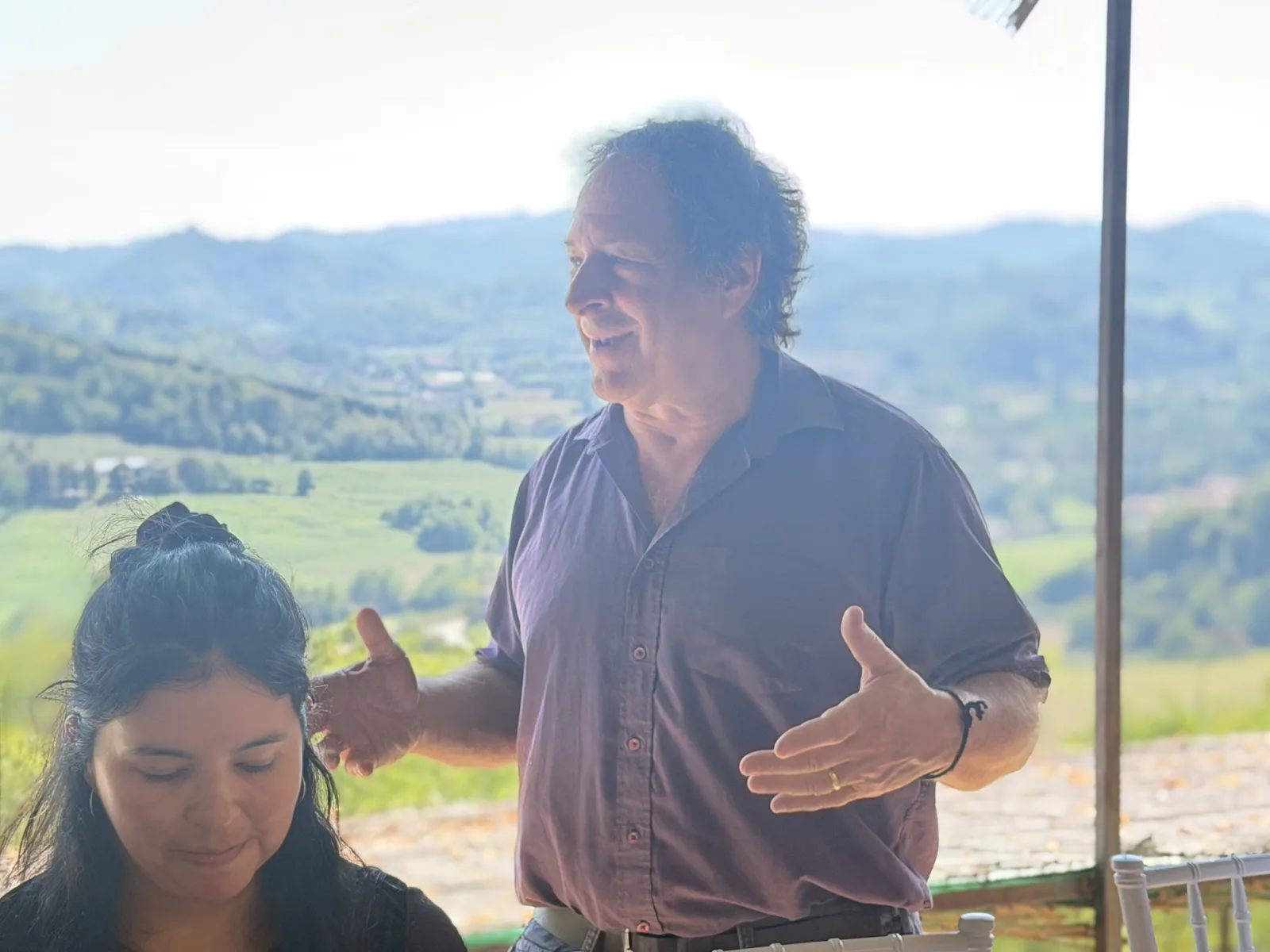 PastRick Doblin meets Italian clinicians and researchers
 PastWorld Ayahuasca Forum
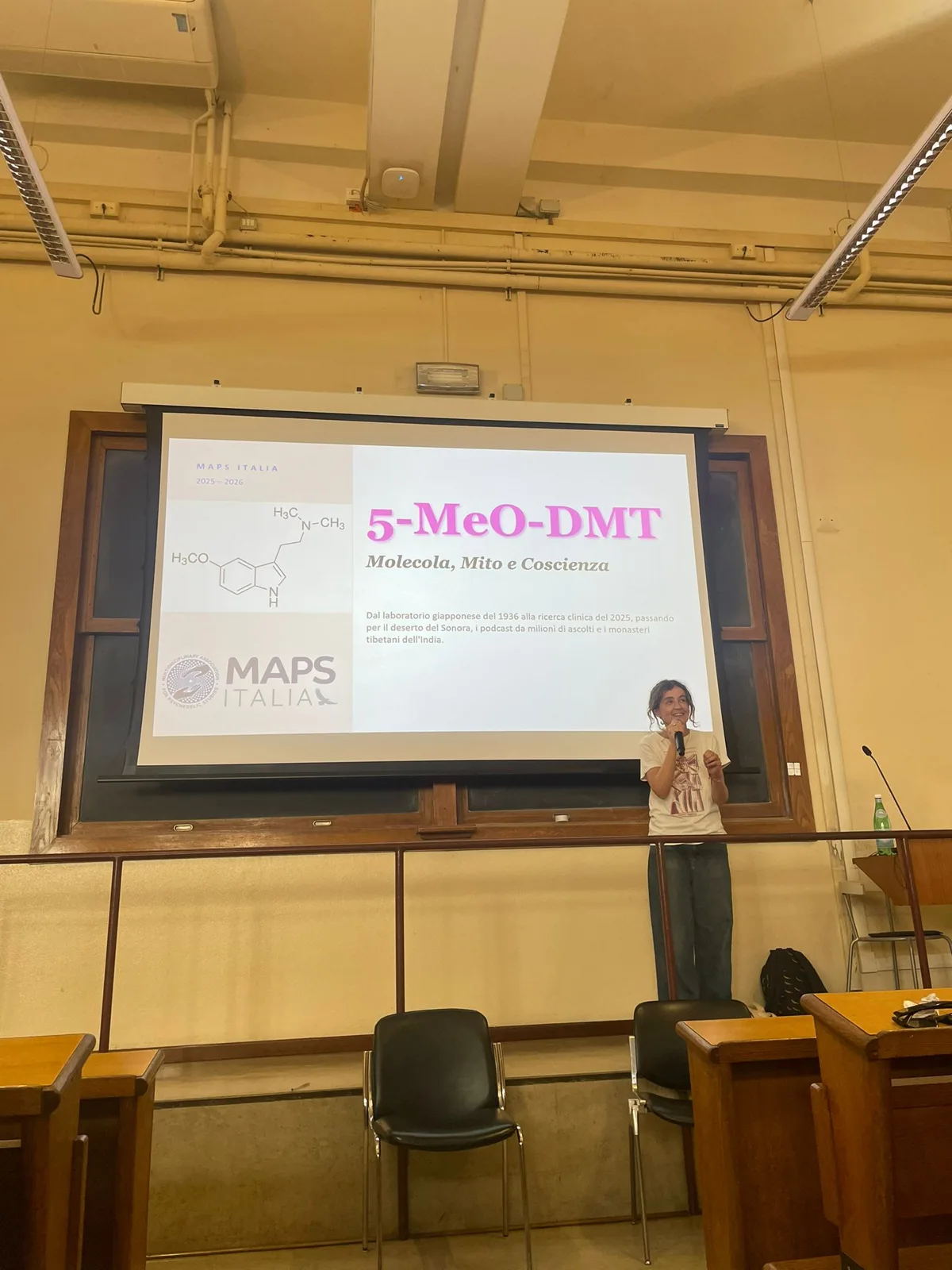 Past3rd UNEPSI National Congress
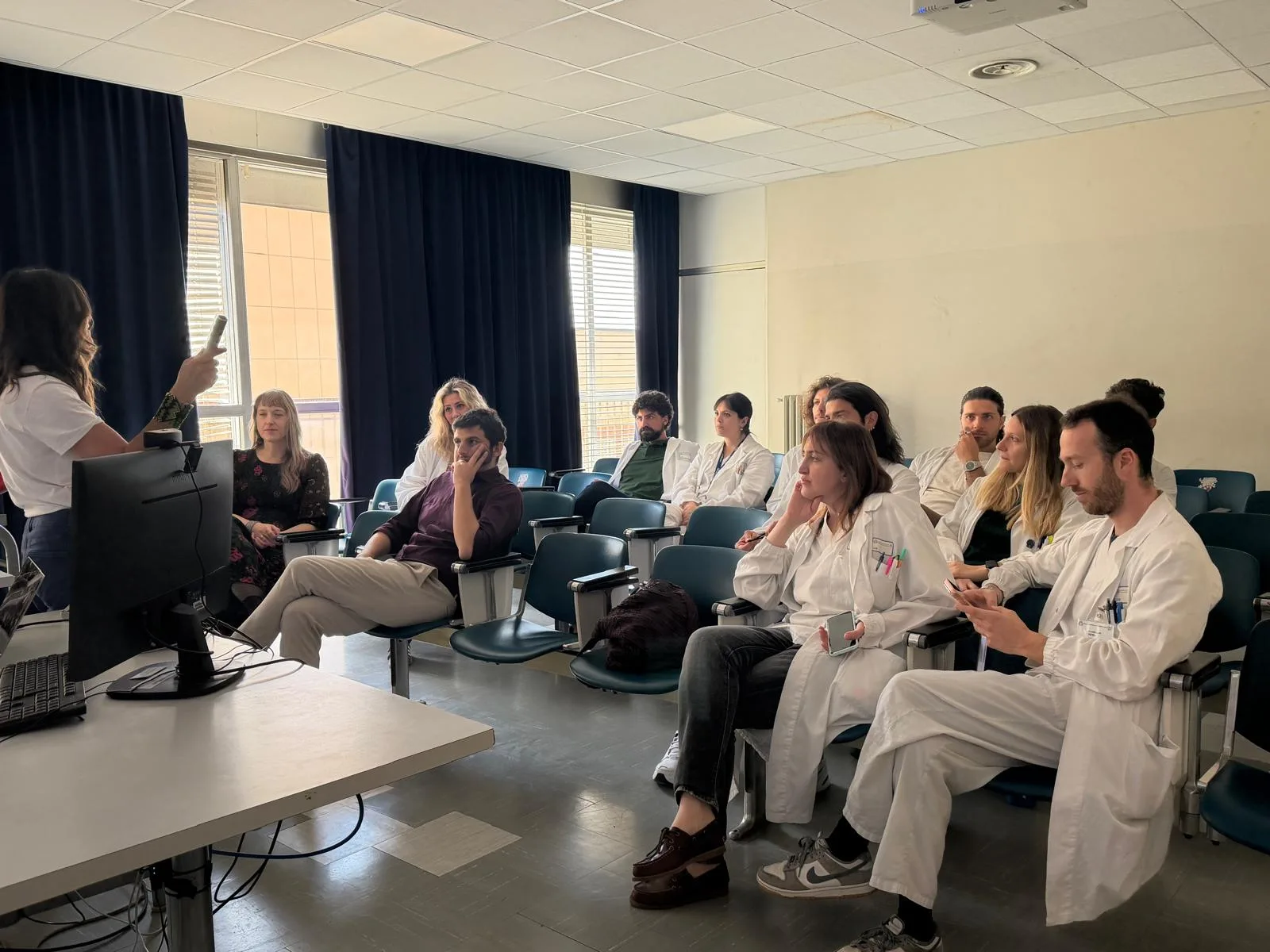 PastKetamine workshop at Le Scotte
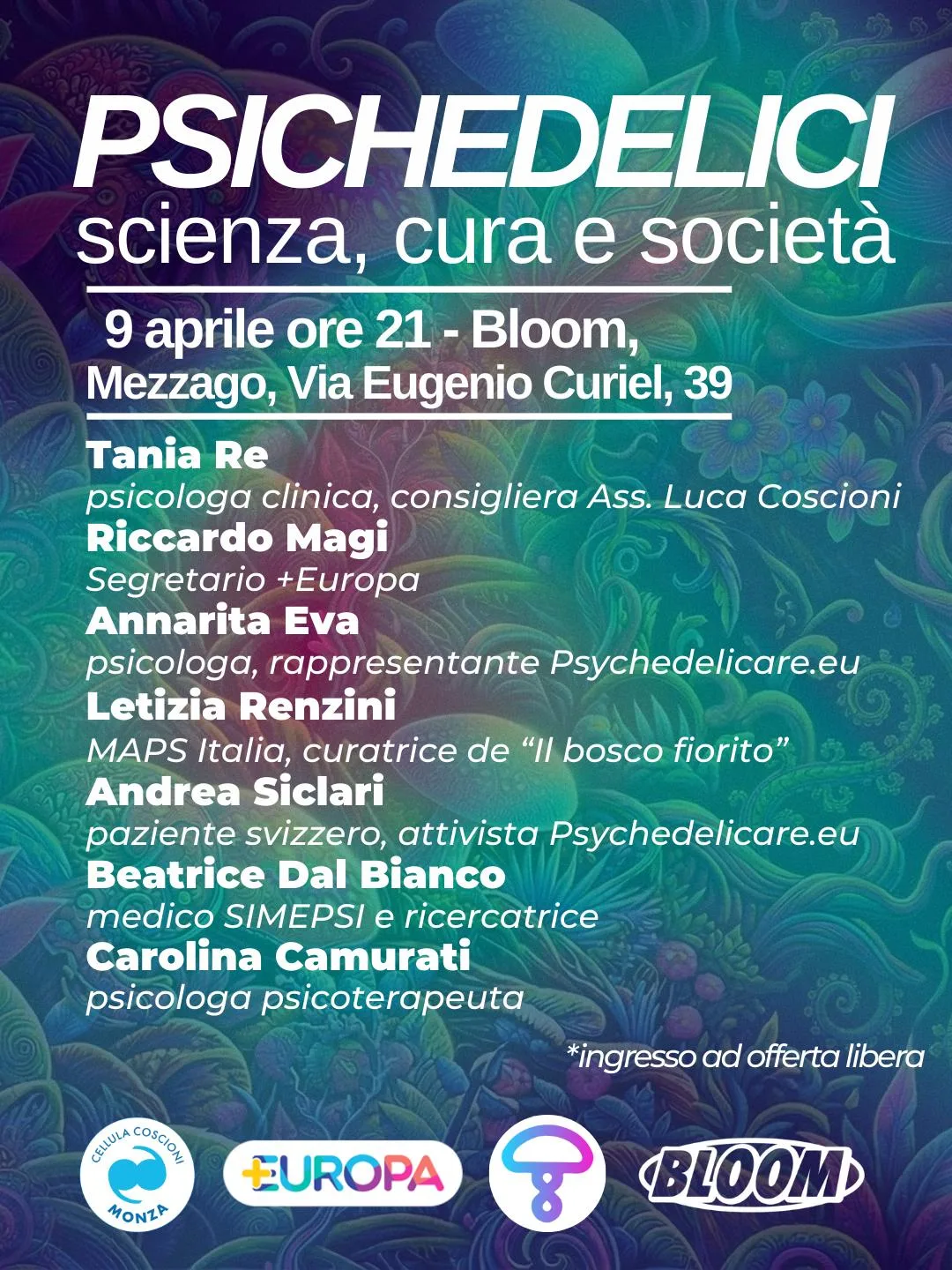 PastPsychedelics: Science, Care and Society
 Past69th session of the Commission on Narcotic Drugs
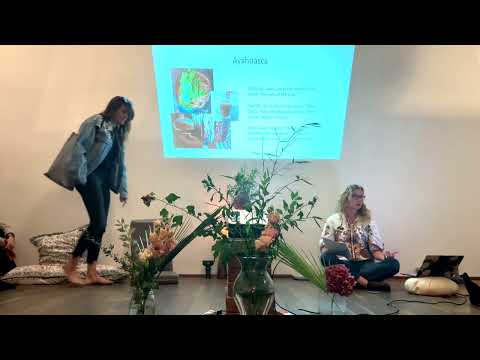 PastSalotto Luminoso: Piera Talin, “The Ayahuasca ritual”
Scroll horizontally to see all events.
In the news
 InternazionalePressIn ItalianChi si prepara alle terapie con gli psichedelici in attesa che siano legaliClaudia Torrisi(opens in a new tab)
 La StampaPressIn ItalianPsichedelici, parte dal Piemonte il programma internazionale sulla terapia assistita da MdmaNadia Ferrigo(opens in a new tab)
 Psychedelics TodayInternazionaleA Country That Recalls Its Own ForgettingLetizia Renzini(opens in a new tab)
 Radio RadicaleRadioIn ItalianIl Maratoneta, a program produced by the Associazione Luca Coscioni(opens in a new tab)
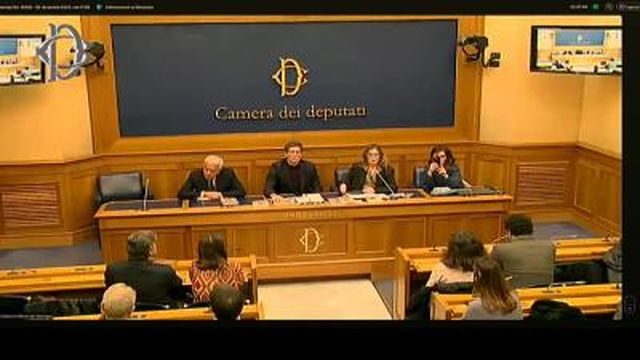 Radio RadicaleRadioIn ItalianPresentazione del libro "Il Bosco Fiorito. Psichedelica: orizzonti di cura"(opens in a new tab)
 L'IndipendentePressIn ItalianL'Italia si muove nell'uso degli psichedelici in medicinaMario Catania(opens in a new tab)
- MAPS BulletinInternazionaleGuided by the Golden Eagle: The Story of MAPS ItaliaMichèle Anne Barocchi, PhD(opens in a new tab)
 il manifestoPressIn ItalianAlleanza psichedelicaLetizia Renzini(opens in a new tab)
 SIMEPSISectorIn ItalianNewsletter SIMEPSI - Maggio 2025(opens in a new tab)
- Quotidiano SanitàSectorIn ItalianTerapie psichedeliche. Sono una risorsa in più per la salute mentale. Il messaggio di 30 organizzazioni alla Commissione europea(opens in a new tab)
 Italia che CambiaPressIn ItalianTerapie psichedeliche: una soluzione ancestrale ai disturbi mentali?Marco Fracasso(opens in a new tab)
 Radio RadicaleRadioIn ItalianPresentazione del libro "Il bosco fiorito. Psichedelia: orizzonti di cura" di MAPS Italia(opens in a new tab)
 Radio RadicaleRadioIn ItalianPresentazione del libro a cura della Fondazione MAPS Italia "Il bosco fiorito. Psichedelia: orizzonti di cura" (I Libri di Mompracem)(opens in a new tab)
Scroll horizontally to see all articles.
Newsletter
Our newsletter is written in Italian.
Every month we cover the research, policy and practice of psychedelic therapies in Italy. The latest issues of our newsletter on Substack.




Scroll horizontally to see all issues.
Newsletter
Subscribe to the newsletter
Get every new issue by email.
Archive on Substack (opens in a new tab)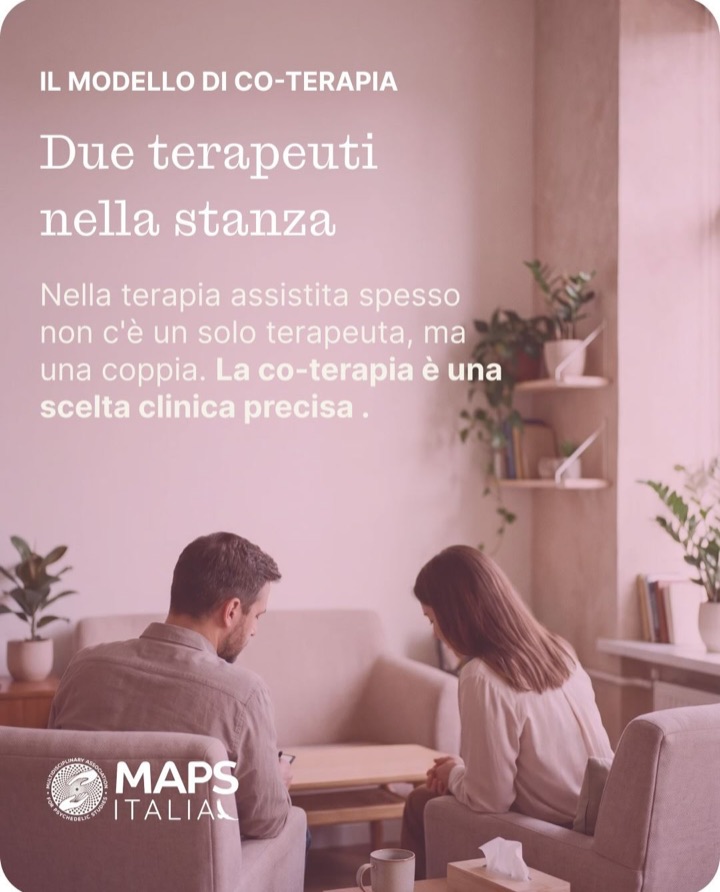 When people picture assisted therapy, they often think of one patient and one therapist.MAPS Italia Instagram post, opens in a new tab.
 At the heart of the MAPS method for MDMA-assisted therapy is inner healing intelligence: the innate ability to heal…MAPS Italia Instagram post, opens in a new tab.
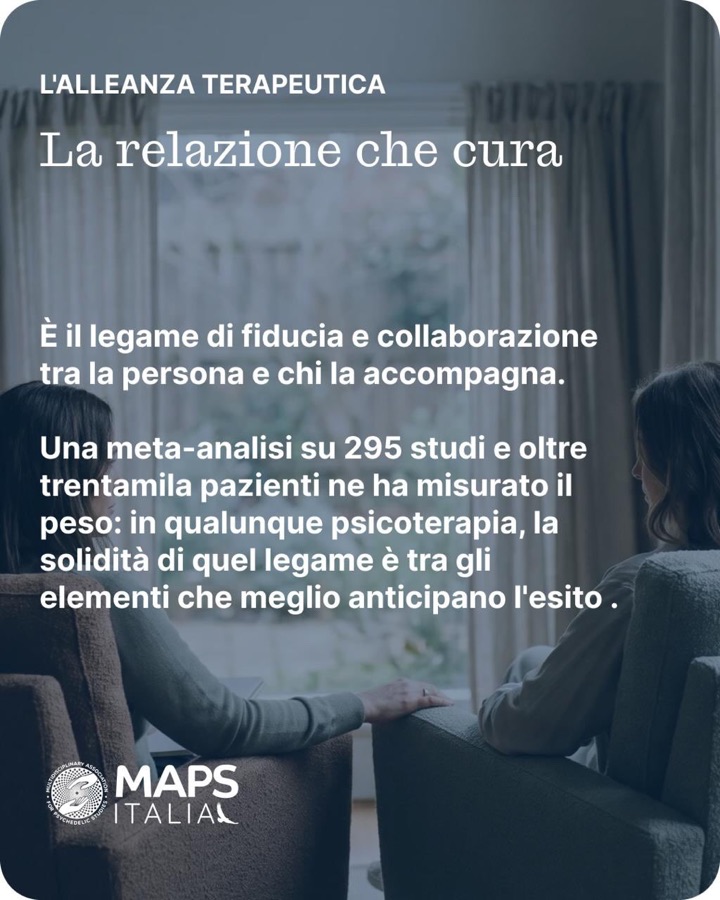 In the public debate on assisted therapies there is a lot of talk about molecules and neuroplasticity, and much less about the variable that…MAPS Italia Instagram post, opens in a new tab.
 The effect of the substance has worn off.MAPS Italia Instagram post, opens in a new tab.
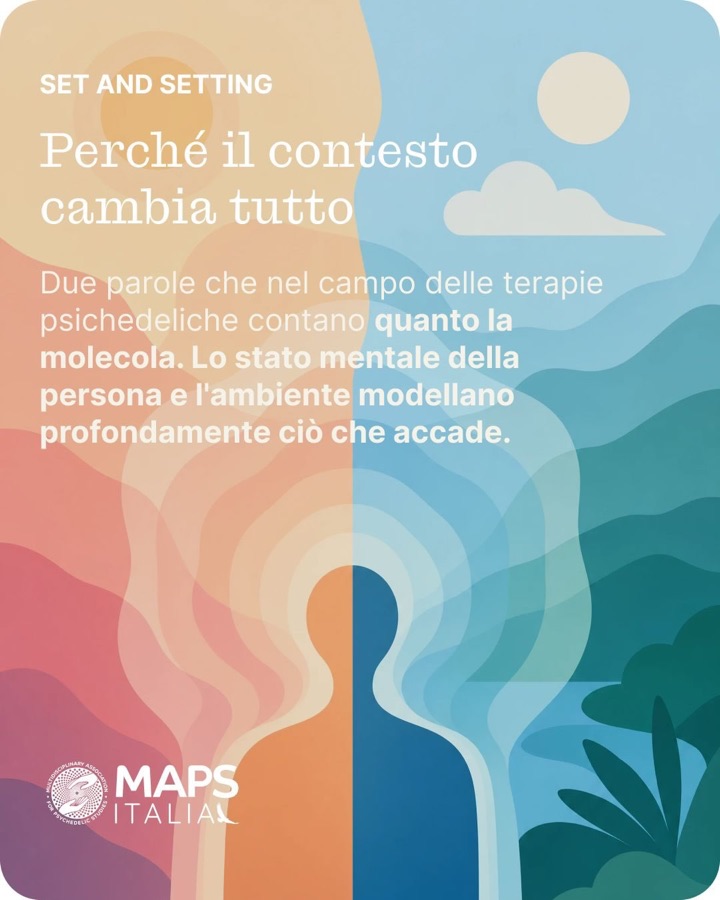 Set and setting is perhaps the most quoted and most misunderstood expression in the field.MAPS Italia Instagram post, opens in a new tab.
 In clinical language, integration refers to a specific phase: the sessions following administration, in which what emerged…MAPS Italia Instagram post, opens in a new tab.
Scroll horizontally to see all posts.
On YouTube
Most talks and videos are in Italian.
Talks, presentations and appearances on the MAPS Italia channel.
 RICK DOBLIN FOR MAPS ITALIAYouTube video, opens in a new tab.
 MAPS ITALIA PRESENTA I SALOTTI LUMINOSI: Ayahuasca VOL.1 - WALTER MENOZZI - FIRENZE, SPAZIO INBODHIYouTube video, opens in a new tab.
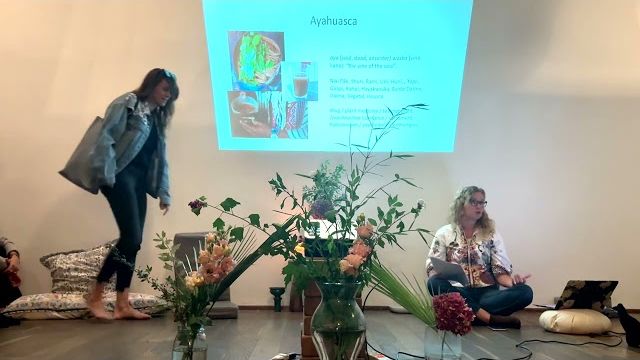 MAPS ITALIA PRESENTA I SALOTTI LUMINOSI: Ayahuasca VOL.2 - PIERA TALIN - FIRENZE, SPAZIO INBODHIYouTube video, opens in a new tab.
 MAPS ITALIA PRESENTA I SALOTTI LUMINOSI: Ayahuasca VOL.3 - ANNALISA VALERI - FIRENZE, SPAZIO INBODHIYouTube video, opens in a new tab.
 MAPS ITALIA PRESENTA I SALOTTI LUMINOSI: Ayahuasca VOL.4 - PIERO CIPRIANO - FIRENZE, SPAZIO INBODHIYouTube video, opens in a new tab.
 On. Riccardo Magi - Presentazione del libro "Il Bosco Fiorito, Psichedelia: orizzonti di cura"YouTube video, opens in a new tab.
 How Does It Feel Like to Have a Psychedelic ExperienceYouTube video, opens in a new tab.
 The Role of Altered States of Consciousness and Psychedelics in TherapyYouTube video, opens in a new tab.
 Microdosing with PsychedelicsYouTube video, opens in a new tab.
 The Use of Psychedelics in End of Life CareYouTube video, opens in a new tab.
 Exploring the Frontiers: The Science and Therapeutic Potential of KetamineYouTube video, opens in a new tab.
 The Psychedelic Renaissance a tale of four decades of advancement in science, policy, and cultureYouTube video, opens in a new tab.
 The Use of Psychedelics in Addiction Treatment where are we nowYouTube video, opens in a new tab.
 Latest Clinical and Neuromechanistic Data from Imperial College’s Psychedelic Research ProgramYouTube video, opens in a new tab.
 Clinical pharmacology of psychedelics and mdma finding the right doseYouTube video, opens in a new tab.
Scroll horizontally to see all videos.
Psychedelic-assisted therapy
Mental health is one of today's most urgent global challenges, and many patients do not respond to conventional treatments. Psychedelic-assisted therapy integrates substances such as psilocybin, MDMA or ketamine into a psychotherapeutic process, in an appropriate and controlled environment. Below you will find its history, opportunities and challenges, the state of research around the world, non-pharmacological practices and the history of MAPS.
A global mental health emergency
In Europe, 75% of depression cases do not receive adequate treatment, up to 50% of treated patients experience treatment resistance, and almost a third of these attempt suicide (WHO-MSD-MER 2017). In addition, according to the Organisation for Economic Co-operation and Development (OECD), one in two people will face a mental illness during their lifetime.
In recent decades, mental health has become one of the most urgent global challenges. According to the World Health Organization (WHO), conditions such as depression, anxiety and post-traumatic stress disorder (PTSD) affect hundreds of millions of people, often with serious consequences for their quality of life. Despite the clear need, innovation in mental health is lagging behind. Current estimates suggest that by 2040 we will be able to prevent only 14% of the burden of mental health conditions. The pharmaceutical sector has made limited progress in developing new treatments, leaving many patients without viable options. “Treatment resistance” is a common phenomenon in several psychiatric conditions. In this context, a debate is opening up on the need for new ways to address these conditions effectively and safely.
History of psychedelic-assisted therapies
Psychedelic-assisted therapies in Western medicine have their roots in the 1950s, when substances such as LSD began to be explored for their therapeutic potential. In 1938, Swiss chemist Albert Hofmann synthesized LSD, unexpectedly discovering its applications for mental health. Between 1950 and 1965, LSD was administered to more than 40,000 patients and generated more than a thousand scientific papers, showing promising results in the treatment of depression, alcoholism and end-of-life anxiety.
In the 1970s, chemist Alexander Shulgin brought MDMA, first synthesized in 1912 by the pharmaceutical company Merck, back into the spotlight, discovering its potential in psychotherapy thanks in part to his collaboration with psychologist Leo Zeff, who in the 1960s had supervised thousands of psychedelic-assisted therapy sessions.
In the 1970s, the use of psychedelics began to slip out of the scientific community's control: cases of recreational use increased, stories about the potential dangers of psychedelics multiplied, and they came to be associated less with scientific discoveries and more with an emerging counterculture and the decline of classic American values. In 1971 this climate led to LSD being placed in the UN's Schedule I, the category associated with substances at high risk of abuse, dangerous to public health and without any therapeutic value, with consequent restrictions on scientific research into the therapeutic use of these substances. Similarly, in 1985, in response to the widespread recreational use of MDMA, which was becoming popular in rave culture, the US Drug Enforcement Administration (DEA) placed the substance in Schedule I. After MDMA was scheduled, Rick Doblin founded the nonprofit MAPS in 1986, and it is partly through figures like him that the last 20 years have seen renewed scientific interest in the therapeutic use of psychedelics in mental health. With the founding of MAPS, Rick Doblin launched a regulatory pathway for these substances, highlighting the effective use of MDMA in therapy, raising more than $300 million for evidence-based research and reopening the way to the therapeutic use of psychedelics in mental health.
What Is Psychedelic-Assisted Therapy
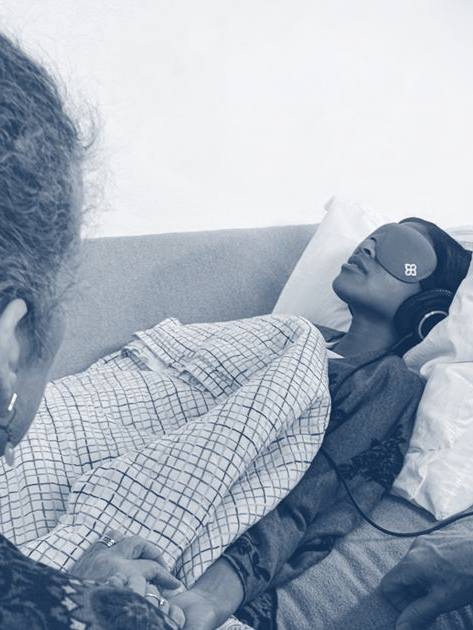
Psychedelic-assisted therapy uses substances such as psilocybin, MDMA or ketamine, integrated into a psychotherapeutic process, to treat conditions such as treatment-resistant depression, post-traumatic stress disorder (PTSD), anxiety and addiction.
These substances induce altered states of consciousness that may facilitate deep emotional reprocessing and support the therapeutic process, but at the same time they may pose risks if not administered correctly. For this reason, it is essential that this takes place in an appropriate, controlled environment under the supervision of qualified therapists.
Opportunities and Challenges
In recent years, research on psychedelic-assisted therapy has produced promising results, highlighting both the potential opportunities and the challenges associated with this therapeutic approach.
Opportunities
- An additional treatment option: Psychedelic medicine offers an alternative for patients who do not respond to conventional treatments; it does not replace existing ones.
- Less frequent dosing: Compared with traditional antidepressants, psychedelic-assisted therapy involves only a few doses during the course of treatment, reducing or eliminating the need for long-term daily medication.
- Supporting brain activation and neuroplasticity: The use of psychedelic substances may not only encourage the patient's emotional openness, making the psyche more receptive to targeted psychotherapeutic interventions, but also stimulate neuroplasticity. This ability to reopen brain plasticity facilitates neural reorganization, supporting lasting improvements in the management of depression, anxiety and addiction
Challenges
- Dependence on “set and setting”: Set refers to mindset, that is, the psychological state and attitude with which one approaches the experience. Adequate mental preparation is essential to ensure an open, receptive and intentional state of mind. The setting, on the other hand, is the physical environment in which the experience takes place. This space should be safe, comfortable and positively stimulating, while also professional and controlled to ensure the highest scientific rigor.
- High administration costs: Treatments require complex infrastructure and highly qualified staff, limiting large-scale adoption.
- Regulatory bodies and guidelines: regulatory bodies have only been involved in developing guidelines for clinical studies with psychedelic substances in recent years. This leaves little clarity on how to assess certain elements, including maintaining the double blind: participants may infer which treatment they received from its effects, compromising blinding (so-called “functional unblinding”), and the limited measurability of outcomes linked to the psychotherapeutic process. These challenges hinder the approval process by institutional bodies such as the FDA.
Where research stands around the world today
Over the last 20 years, the scientific community has once again become interested in psychedelic-assisted therapy, in particular by conducting clinical trials on MDMA to address PTSD and on psilocybin as an innovative treatment for treatment-resistant depression. This progress has led to significant developments in several countries, where research and regulation are advancing at different speeds.
United States
In 2017, the Food and Drug Administration (FDA) granted MDMA-assisted therapy for PTSD Breakthrough Therapy designation, speeding up its development; psilocybin received the same designation in 2018 for treatment-resistant depression and in 2019 for major depressive disorder. In 2019, esketamine (an isomer of ketamine) was approved as a nasal spray for treatment-resistant depression. After the FDA's negative response in 2024, in July 2026 Resilient (formerly Lykos Therapeutics) resubmitted its application for approval of MDMA-assisted therapy, which is currently under FDA review: a potentially historic step toward the clinical integration of these therapies.
Australia
In February 2023, Australia's Therapeutic Goods Administration (TGA) announced that, starting July 1, 2023, psychiatrists would be authorized to prescribe psilocybin for treatment-resistant depression and MDMA for PTSD. Although no specific products containing these substances have yet been approved, authorized psychiatrists may legally provide them to patients under their care, subject to approval by an ethics committee and specific authorization from the TGA.
Canada
Since 2020, Canada has made significant progress in the therapeutic use of psilocybin, with a focus on patients with terminal illnesses. Thanks to the mobilization of a coalition of terminally ill patients, healthcare professionals and experts, Health Canada began granting individual exemptions that allow legal access to experimental psilocybin treatments to relieve the anxiety and depression associated with incurable illnesses. In January 2022, Health Canada restored the ability of physicians to request, case by case, through its “Special Access Program,” access to restricted drugs such as psilocybin for patients with serious or life-threatening conditions when other therapies have failed, are unsuitable or are not available; this is not a general approval.
Europe
In Europe, psychedelic research is advancing with clinical studies in countries such as the United Kingdom, Germany, the Netherlands and Switzerland. Through programs such as Horizon 2020 and Horizon Europe, the European Union is investing in mental health projects that include the study of psychedelic compounds such as psilocybin. Although regulatory approvals are still limited, these investments represent a significant step toward the clinical integration of psychedelics in the treatment of mental illness. In March 2024, the European Medicines Agency (EMA) updated its guidelines on the development of medicines for Major Depressive Disorder (MDD) to include psychedelic therapy. In January 2025, the first European Citizens’ Initiative (ECI), Psychedelicare.eu, was launched: a request submitted by citizens of several member states calling on the European Commission to propose new laws and recommendations to support research into, and the therapeutic use of, psychedelic substances.
What clinical trials are
Clinical trials are experimental studies that evaluate the efficacy and safety of new treatments, including psychedelic-assisted ones. Divided into three phases, trials begin with safety studies in small groups of volunteers and then expand to larger numbers of patients with specific conditions.
Only after passing through these phases can a treatment be approved for large-scale clinical use. The trials currently under way on psychedelic-assisted therapies are helping to define the most appropriate doses, methods of administration and target populations. To date, the countries with ongoing clinical trials are: the United States, Canada, Australia, the United Kingdom, Germany, Spain, Portugal, the Czech Republic, the Netherlands, Norway and Switzerland.
Learn more
Below is a selection of some of the most recent scientific articles on psychedelic-assisted therapy, organized by substance.
Expanded States of Consciousness through Non-Pharmacological Practices
Pending health regulations that take into account all the studies carried out in this field and revise the drug schedules, MAPS Italia promotes practices that care for the mind, the body and the environment, creating and promoting opportunities to meet and work on these topics, raising awareness and preparing fertile, receptive ground for the institutional opening to psychedelic treatments.
Breathwork
The therapeutic processes of altering and expanding consciousness triggered by psychedelic substances can also be achieved, always within controlled therapeutic settings, through other practices. Czech psychiatrist Stanislav Grof, one of the fathers of LSD therapy, developed an alternative to the use of substances in the 1970s through Holotropic Breathwork sessions, a structured method of accelerated breathing accompanied by evocative music and therapeutic integration.
In recent years, similar practices such as conscious connected breathing have attracted growing interest from the scientific community for their ability to induce non-ordinary states of consciousness (NOSC) and to facilitate deep processes of emotional and psychospiritual integration.
In a safe, facilitated and well-integrated context, breathwork is a transformative and accessible way to explore consciousness and support deep healing processes.
In Florence, these practices can be experienced in collaboration with Inbodhi Breath Firenze, an active partner in training and in leading experiential sessions focused on inner exploration and mind-body integration.
The most recent research confirms that breathwork can trigger experiences similar to those induced by psychedelic substances, such as ego dissolution, mystical states and emotional catharsis, while also offering significant therapeutic benefits.
A 2025 study published in Communications Psychology found that circular breathwork induces altered states comparable to those of psilocybin, with measurable improvements in well-being and depressive symptoms after a single session:
Havenith et al., 2025, Communications Psychology
Another study published in Current Psychology in 2023 showed how conscious connected breathing alters brain activity and generates subjective mystical-type experiences, accompanied by an increase in self-esteem and a reduction in negative moods:
Bahi et al., 2023, Current Psychology
Finally, a meta-analysis published in Scientific Reports gathered data from 12 randomized controlled trials, confirming that breathwork is effective in reducing anxiety, depression and stress, strengthening its validity as a clinical tool:
Fincham et al., 2023, Scientific Reports
The history of MAPS
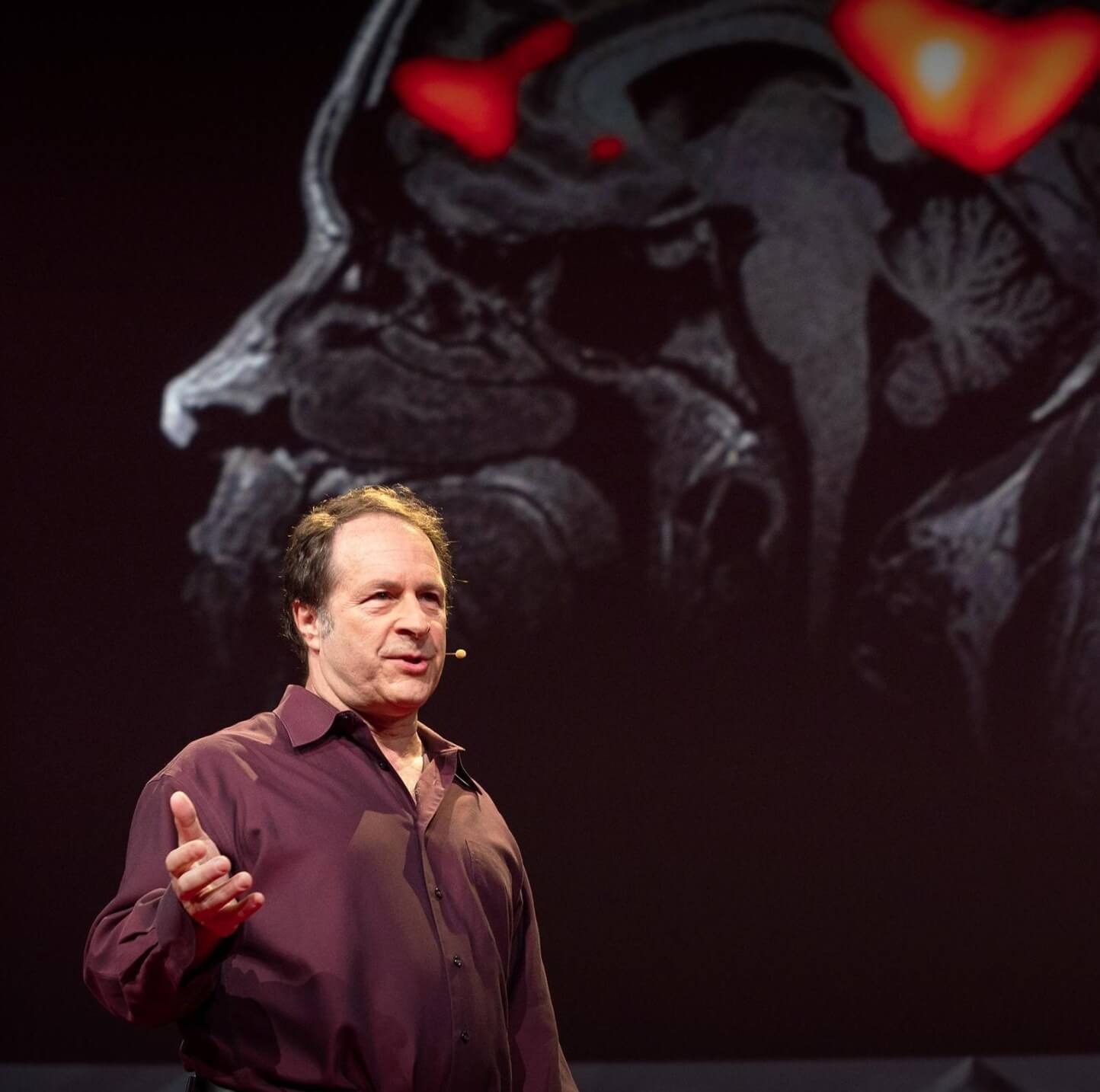
In 1985, in response to the DEA's placement of MDMA in Schedule I of controlled substances (due to its growing recreational use in rave culture), Rick Doblin decided to challenge this decision. He presented testimony from psychiatrists and therapists who supported the therapeutic use of MDMA, pointing out that an estimated 500,000 doses of MDMA had been administered in therapeutic settings in North America before it was banned. Although the judge ruled that MDMA should be placed in Schedule III, the DEA overturned this ruling and kept it in Schedule I. In response, in 1986 Rick Doblin founded the nonprofit MAPS (Multidisciplinary Association for Psychedelic Studies) with the mission of developing medical, legal and cultural contexts that allow people to benefit from the careful use of psychedelics and marijuana through evidence-based approaches.
Book and resources
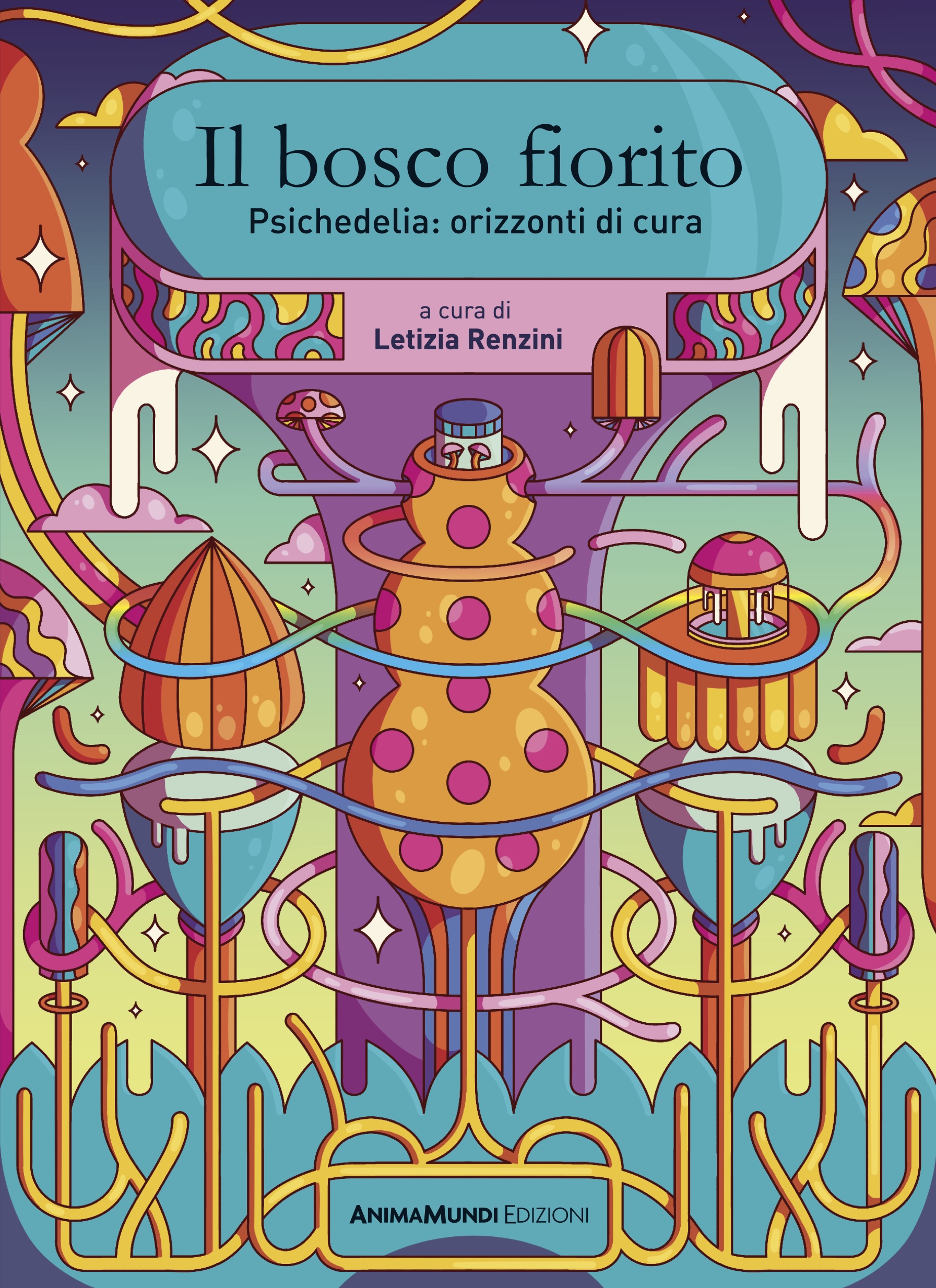
Il Bosco Fiorito. Psichedelia: orizzonti di cura
Il bosco fiorito. Psichedelia: orizzonti di cura (The Flowering Forest) offers accessible, in-depth essays on the use of psychedelic substances in medicine, therapy and care, particularly in mental health treatment and end-of-life care.
Buy the book (opens in a new tab)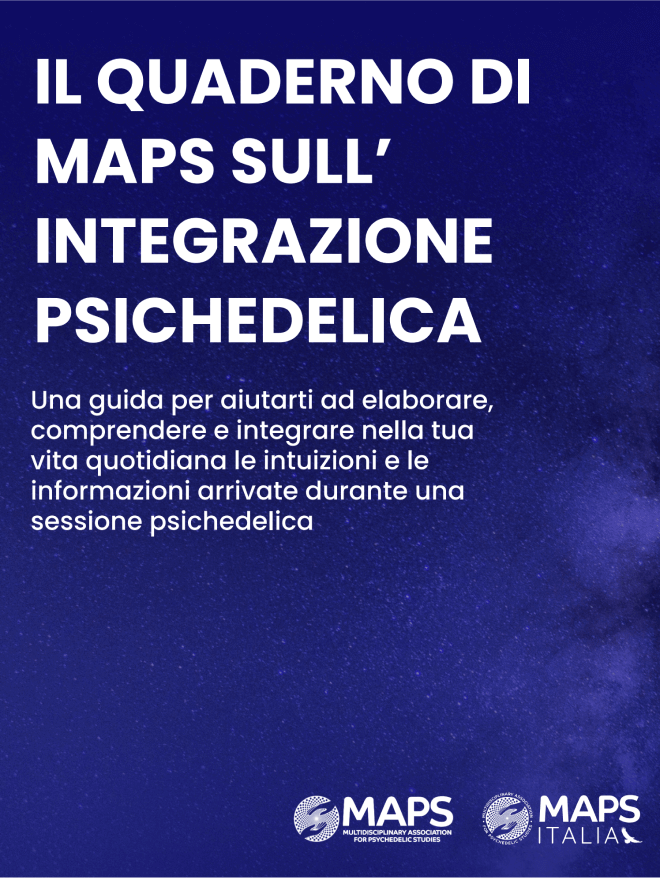
The MAPS Italia team
 Michèle Anne Barocchi, PhDPresident, Co-Founder
 Diletta CecchiCo-Founder
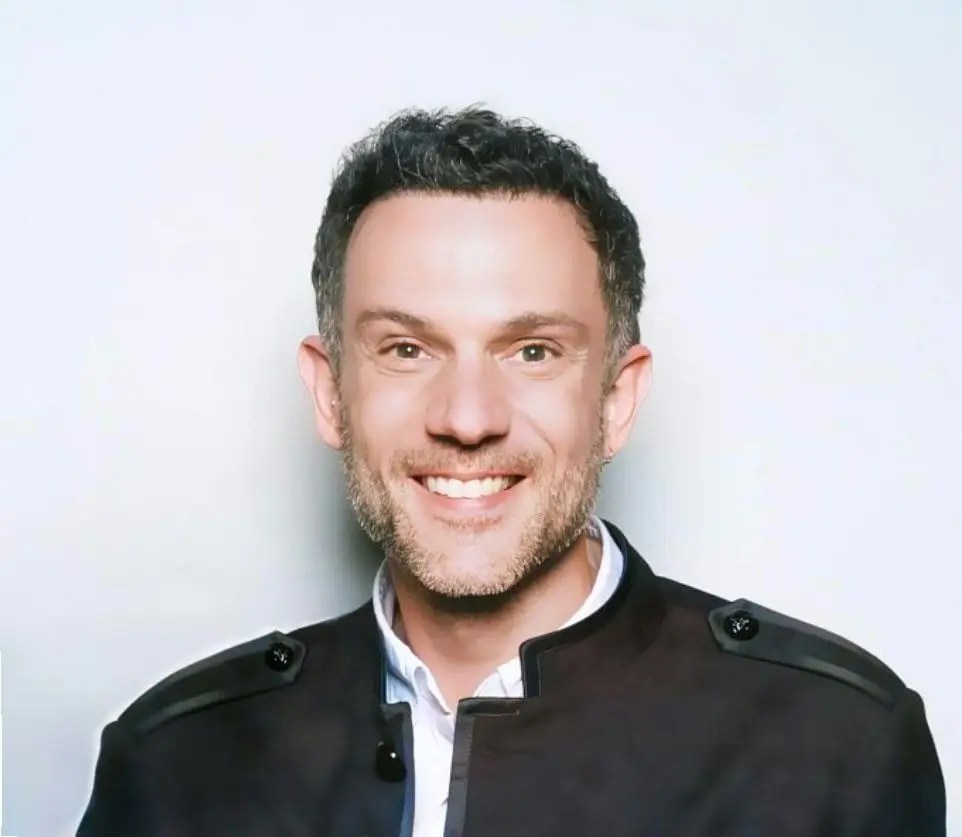 Federico MenapaceCo-Founder
 Letizia RenziniCo-Founder
 Marco D’AlimonteCo-Founder
Network
Research institutions, associations and projects we collaborate with.